Chapter 1 notes
Chapter 4 notes
Thursday, January 10, 2013

Thursday, January 3, 2013
The Real Change is Inside of You: Personal Change Project
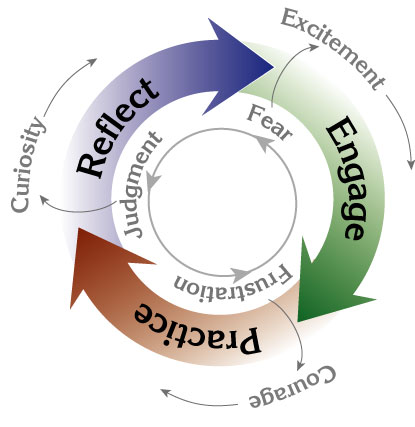
Possible topics (yours must be approved individually by your teacher)
- Bamboo as a building material
- LED vs. incandescent lighting
- European rail systems vs. US highways
- Needs vs. Wants in a Society
- Macromansions vs. Microhousing (400 sq ft or less)
- Microloans for Women
- Wind power in Iowa pros and cons
- Grow/plan your own garden
- Reducing a carbon footprint
- Seedsavers repository
- International Potato Center
- Off-the-grid lifestyles
- Meatless Mondays/Buy Fresh, Buy Local
- Farming with minimal chemicals
- Avoiding Banana Republics
- Childbearing in an Overpopulated World
- Sustainable Wind and Solar
- Battery problems
- Should Wolves and Mountain Lions be brought back to Iowa?
- Carbon Sequestration
- Superinsulation
- Building Solar Houses in Iowa
- Oglalla Aquifer worries
- The air we breathe
- Acid precipitation
- How much clothing do you need and how often should you replace it?
- How long should you keep a vehicle?
- Should you replace your water-guzzling household items?
- Recycled paper products: genuine change or consumer scam?
- Can vertical integration of livestock be sustainable?
- Adding swamps/marshes to our sewage systems
- Choosing new appliances using Energy Star
- Can regular maintenance of a car save fuel?
- Can I build in a sustainable manner?
- Finding hope in the challenges
- Cleaning our water
- Stopping malaria and guinea worm
- Increased prices vs. environmental sustainability
Project:
10 points--3 minute presentation to the class
20 points--quality of information presented to the class
10 points--resources used to gather information
10 points--quality of presentation
Personal Reflection on Project (individually filled out)
Environmental Science Question Review (individually filled out)
Tuesday, December 18, 2012
Influential writings
No environmental class would be complete without a look at some of the excerpts of famous environnmentalists:
Please read the following and create a comparative visual (a t-chart, Venn diagrams, comparative mind-map) and be ready to discuss.
3 readings from Aldo Leopold (developed the plan for deer management still used today): http://gargravarr.cc.utexas.edu/chrisj/leopold-quotes.html
C
1 reading from John Muir (developed the concept for the national park system): http://www.sierraclub.org/john_muir_exhibit/writings/the_mountains_of_california/chapter_10.aspx
1 reading from Thoreau (argued for the need for wild places and civil disobedience): http://thoreau.eserver.org/civil1.html
1 reading from Rachel Carson (founder of the modern environmental movement): http://rachels-carson-of-today.blogspot.com/2009/11/silent-spring-rachel-carson-1962.html
======================
Questions
1. Which of the environmentalists has a viewpoint that most matches yours? Extreme, Spiritual, Reflective, or Action-Oriented?
2. How do these writers reflect a PROGRESSION in environmental thought?
3. If you could choose one of these people as an ally in a fight against a tragedy of the commons, which one would it be?
4. How are these view points related to the idea of "Think Globally , Act Locally?"
1 page reflection to be completed by the end of the day?
Please read the following and create a comparative visual (a t-chart, Venn diagrams, comparative mind-map) and be ready to discuss.
3 readings from Aldo Leopold (developed the plan for deer management still used today): http://gargravarr.cc.utexas.edu/chrisj/leopold-quotes.html
C
1 reading from John Muir (developed the concept for the national park system): http://www.sierraclub.org/john_muir_exhibit/writings/the_mountains_of_california/chapter_10.aspx
1 reading from Thoreau (argued for the need for wild places and civil disobedience): http://thoreau.eserver.org/civil1.html
1 reading from Rachel Carson (founder of the modern environmental movement): http://rachels-carson-of-today.blogspot.com/2009/11/silent-spring-rachel-carson-1962.html
======================
Questions
1. Which of the environmentalists has a viewpoint that most matches yours? Extreme, Spiritual, Reflective, or Action-Oriented?
2. How do these writers reflect a PROGRESSION in environmental thought?
3. If you could choose one of these people as an ally in a fight against a tragedy of the commons, which one would it be?
4. How are these view points related to the idea of "Think Globally , Act Locally?"
1 page reflection to be completed by the end of the day?
Thursday, December 13, 2012
Air-Ocean-Energy Connections
The air is a commons. The water is a commons. Energy consumption and efforts directly affect these issues.
Tuesday:
Jigsaw the sections on Ocean Pollution, Energy Challenges, and Air Pollution. Sticky Note the important ideas
Create a chart that connects the impacts of wind power, biomass burning, oil/gas/grease power, water power, solar, and geothermal in a pre-1900 world. Include effects on the land, the water, and the air.
Wednesday-Thursday: Discussion of the commons as it relates to Air, Water, and Land. Pick an energy issue and find out its efficiency in today's world using the century 1910 to 2010. Is this a sustainable technology or a technology that contributes to the tragedy of the commons. Create a PowerPoint to be used at the beginning of class on Monday.
Friday: Today is a catch-up day. Make sure you have turned in your reflection on poverty traps.
Thursday, December 6, 2012
The challenge of poverty traps
Throughout this class we have studied about poverty traps, and the impact they have on people who are poor. Environmental degredation comes in second to hunger, parasites, and child mortality.
Sustainability is a major concern, as well as climate change, but those are not addressed when basic needs are not met.
We ran out of time to talk about this idea yesterday, so here is today's goal:
I. Find a project that you can support (kiva.org, heifer.org, http://carmenpampafund.org, a church-related organization or a water project, etc.). Explain to me why you think this project will make a difference by minimizing a poverty trap.
II. Develop a plan that would allow you to change life for someone in the world by helping someone caught in a poverty trap through this organization.
III. Tell me the environmental consequences for the region if a large part of the population is caught in a trap. Consider the biome, the effect on population, and the effect on feeding that population.
IV. If you believe in this cause, you could (it is not required) become an activist. Do something over the weekend to help this organization. This could be as simple as finding coins in your couch, redeeming pop cans, or it could be something more. If you need an address or a resource, that's fine, I can help you find it, but the goal here is to consider a need for someone in the world that is beyond our borders.
V. On Monday, you will be asked to write a one-page reflection on what you chose to do or chose not to do. You will be graded on the following rationale:
5 points: What is my plan?
5 points: What impact does this have on the environment?
5 points: As I balance my own needs with the needs of the environment and others, what should we ask of ourselves?
5 points: Based on my discussions with others, are people aware of a link between poverty traps and environmental concerns?
5 points: Is working with a group on a project a better idea than working alone? Why or why not?
Group Project: Banana Split: To Eat or Not to Eat The idea of poverty traps and poverty trap reduction is an ethical dilemma. Only YOU can decide what to do--no one can tell you in America where to shop, what to eat, or who to support. This project asks you to read the case study and then prepare a response that answers the following questions:
What is meant by "ethical consumerism?"
What are the differences between conventional, organic, Fair Trade, and agroforestry food production systems, and how can this affect poverty traps?
What is the history of banana production in Latin America/South America?
What are struggles with tropical agriculture, including constraints such as diseases and pests?
What happens to workers who are dealing with chemicals used to produce bananas?
Is the carbon footprint of a banana correlated to the economic benefits the workers receive? This means we have to consider what we eat, how it is produced, and where it is produced.
5 points: Is working with a group on a project a better idea than working alone? Why or why not?
Group Project: Banana Split: To Eat or Not to Eat The idea of poverty traps and poverty trap reduction is an ethical dilemma. Only YOU can decide what to do--no one can tell you in America where to shop, what to eat, or who to support. This project asks you to read the case study and then prepare a response that answers the following questions:
What is meant by "ethical consumerism?"
What are the differences between conventional, organic, Fair Trade, and agroforestry food production systems, and how can this affect poverty traps?
What is the history of banana production in Latin America/South America?
What are struggles with tropical agriculture, including constraints such as diseases and pests?
What happens to workers who are dealing with chemicals used to produce bananas?
Is the carbon footprint of a banana correlated to the economic benefits the workers receive? This means we have to consider what we eat, how it is produced, and where it is produced.
Tuesday, December 4, 2012
Poverty: Bolivia Case Study
Define a poverty trap, in your own words.
Is child labour a poverty trap or a conscious choice?
Is education a way out?
Why would we look at poverty traps in an environmental science class?
How are things connected.
Play the simulation found here
Sites to look at:
http://www.voicesofyouth.org/
Child Labour 1
Child Labour 2
Child Labour 3
Millenium Development Goals
For tomorrow (Wednesday), make a notecard that summarizes information found and your position. Be ready to discuss
==========================
A quick snapshot: http://www.worldbank.org/en/country/bolivia
Food Security: http://www.wfp.org/content/bolivia-food-security-monitoring-2010
Population Pyramid: http://www.worldlifeexpectancy.com/world-population-pyramid
=====================
The UAC Project
Is child labour a poverty trap or a conscious choice?
Is education a way out?
Why would we look at poverty traps in an environmental science class?
How are things connected.
Play the simulation found here
Sites to look at:
http://www.voicesofyouth.org/
Child Labour 1
Child Labour 2
Child Labour 3
Millenium Development Goals
For tomorrow (Wednesday), make a notecard that summarizes information found and your position. Be ready to discuss
==========================
A quick snapshot: http://www.worldbank.org/en/country/bolivia
Food Security: http://www.wfp.org/content/bolivia-food-security-monitoring-2010
Population Pyramid: http://www.worldlifeexpectancy.com/world-population-pyramid
=====================
The UAC Project
Monday, December 3, 2012
Biodiversity as a Form of Natural Capital
Seed Comparison
Pick 3 gardening magazines and choose 3 crops. For each magazine, list all the varieties of that crop offered.
What commonalities do you notice? What differences? Why does this matter? DOES it matter? Be prepared to explain it in class discussion.
Why do places like this exist?
http://www.cipotato.org/
http://www.regjeringen.no/en/dep/lmd/campain/svalbard-global-seed-vault.html?id=462220
http://www.seedsavers.org/
http://albc-usa.org/
Pick 3 gardening magazines and choose 3 crops. For each magazine, list all the varieties of that crop offered.
What commonalities do you notice? What differences? Why does this matter? DOES it matter? Be prepared to explain it in class discussion.
Why do places like this exist?
http://www.cipotato.org/
http://www.regjeringen.no/en/dep/lmd/campain/svalbard-global-seed-vault.html?id=462220
http://www.seedsavers.org/
http://albc-usa.org/
Subscribe to:
Posts (Atom)